




News
What is the difference between VFD and digital phase converter?
What is the difference between VFD and digital phase converter?
The demand for power conversion within the industrial sector is substantial, particularly when attempting to operate three-phase motors with single-phase power supplies. Hence we will look at the two main ways to solve this problem: Variable Frequency Drives (VFDs) and Digital phase converters. This paper will examine both options, placing particular attention upon the capabilities of the digital phase converter in comparison to those of VFDs.
Understanding Digital Phase Converters
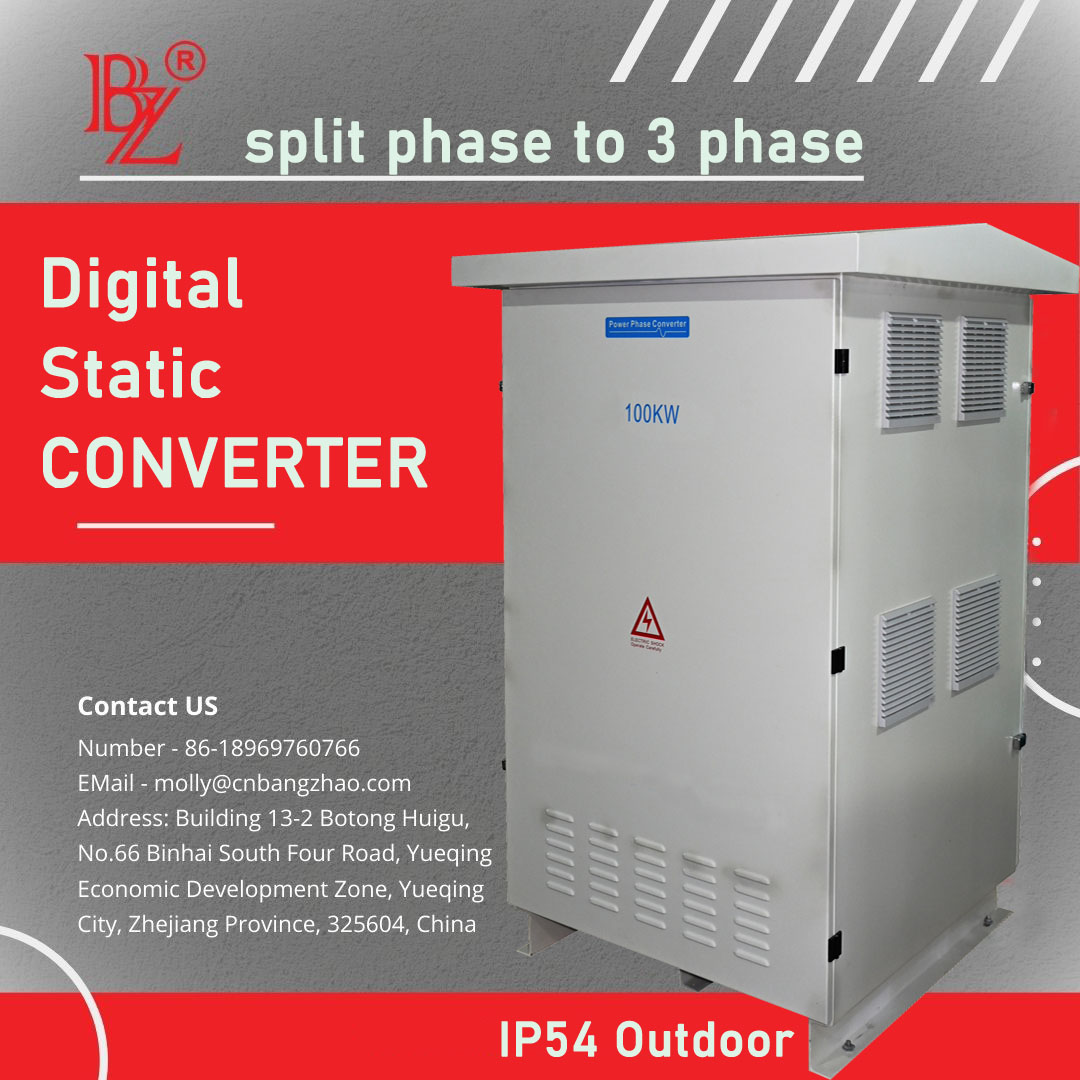
A digital phase converter is an electronic device that converts single-phase electricity into three-phase electricity. Digital phase converters are electronic (solid-state) devices that provide a clean, continuous output—this enables many uses, including powering three-phase machinery and tools with a single-phase outlet, where traditional phase converters do not work as well.
Digital Three Phase Convertersis another name for digital three-phase converters, which are converters used to create an efficient means of generating a three-phase (3-phase) output and allow for higher performance from 3-phase devices. The technology of using a single-phase to 3-phase Digital Converter allows businesses and hobbyists to convert their existing single-phase electrical supply into a functional 3-phase output while avoiding the need to upgrade to a physical three-phase power source directly.
What is a VFD?
A VFD is an electronic device that varies the frequency and voltage of power supplied to an AC motor to control the speed and torque of the motor. VFDs are commonly used for controlling the operation of three phase motors. These devices are used extensively in many types of applications requiring precision control over the operation of motors such as fans, pumps, and conveyor systems. A VFD can control the operation of a three-phase motor, but it does not provide for phase conversion, like a digital phase converter, by converting single-phase electrical power into three-phase electrical power.
Key Differences Between VFD and Digital Phase Converter
The main difference between a Variable Frequency Drive (VFD) and a Digital Phase Converter (DPC) is the major use of the two devices. A VFD is meant for controlling the speed of 3 phase motors, while a DPC is meant for creating a 3-phase electrical supply from a single-phase source. Additionally, DPCs provide much cleaner and more stable 3-phase electrical power compared to the output from VFDs during load fluctuation.
Digital static phase converters are typically chosen over VFDs in order to provide full output to the motor (in the form of 3-phase power) because these devices control the 3-phase output more accurately than traditional methods such as VFD's do (there are times when the VFD will cut back on the amount of power supplied to the motor).
Frequently Asked Questions
Can you convert 1 phase to 3 phase?
The answer is yes, using devices such as a digital phase converter or a rotary phase converter.
Are digital phase converters any good?They have proven to be effective in delivering reliable and constant three-phase power to operate equipment requiring high performance for many types of industrial applications.
What is the difference between digital phase converter and rotary phase converter?Digital phase converters have been designed as solid state devices in order to provide a fast response time as well as stability. Because of their inability to generate the third phase, rotary phase converters must rely on a rotating motor to do so. This can lead to additional inefficiencies with rotary phase converter technology compared to digital phase converters; however, digital converters will generally be considered more efficient and easier to install.
Choosing the Right Option for Your Needs
The choice between VFD and digital phase converter depends on the requirements of your operation. A VFD is good for applications where you need precise control of your 3-phase motor but for applications that require conversion of single-phase supply to 3-phase power, digital phase converters are best suited for this application. The technology of digital phase converters allows for efficient operation of 3-phase equipment without having to make major changes in infrastructure.
Finally, by knowing how these differences relate to each other, you'll have knowledge enough to decide finally on an appropriate power management alternative for your needs, regardless of whether they are industrial or commercial.